I Let AI Design and Code a Website. The Results Will Shock You.
The epoch of the single-piece, one-size-fits-all online presence is officially over. As we move through 2025 and 2026, the predominant "AI vibe" in cyber crafting is an instance of radical personalization. The engine of the AI website maker is Artificial Intelligence, serving as a chief architect for every specific person who accesses a portal. This is not simply about embedding a individual's tag into a welcome; it's about drastically rebuilding the information, capabilities, and aesthetics of a website in real-time to produce a personalized encounter for an demographic of one. This shift is universalizing advanced web creation and redefining what it denotes for a online platform to be truly "user-centric."

Production for the Client: The On-the-fly Architecture
The allure of granular adaptation for the AI website building starts far in the platform's framework. Engineers in 2025 are no longer creating set paths but are instead making fluid platforms where AI functions as a main hub, putting together client interactions on the fly. This necessitates a move away from static code and toward a more adaptable, dynamic approach of development.
Procedural Course Charting and System
The most profound change for the AI web design is in how a customer explores a website. In place of obeying a static navigation plan, each individual's course is procedurally generated based on their digital footprint and current conduct.
- Predictive Pathfinding: AI evaluates a user's entry point, buying history, and exploration behaviors to foresee their purpose and dynamically reorders navigation menus and calls-to-action to present the most easiest way to action taking.
- On-the-Fly Feature Toggling: An AI can determine a visitor's skill level and adjust capabilities accordingly. For a power user, it might reveal sophisticated query options, while for a inexperienced user, it might feature a basic, curated buying process.
- On-demand Content Components: The very substance of a display is no longer static. An AI can assemble service explanations, articles, and even privacy policies from a collection of parts, adjusting the tone, span, and phrasing to resonate with that distinct person.
The Adaptive UI: Appearance That Adjusts and Expects
The presentation layer is where this tailored architecture comes to existence. The "AI vibe" in presentation is about forging a thinking display—an display that doesn't just react to taps but actively adapts to the individual's setting, wants, and even unstated purpose. This denotes the advancement from fluid grid to fully anticipatory layout.
Context-Aware and Adaptive User Interfaces
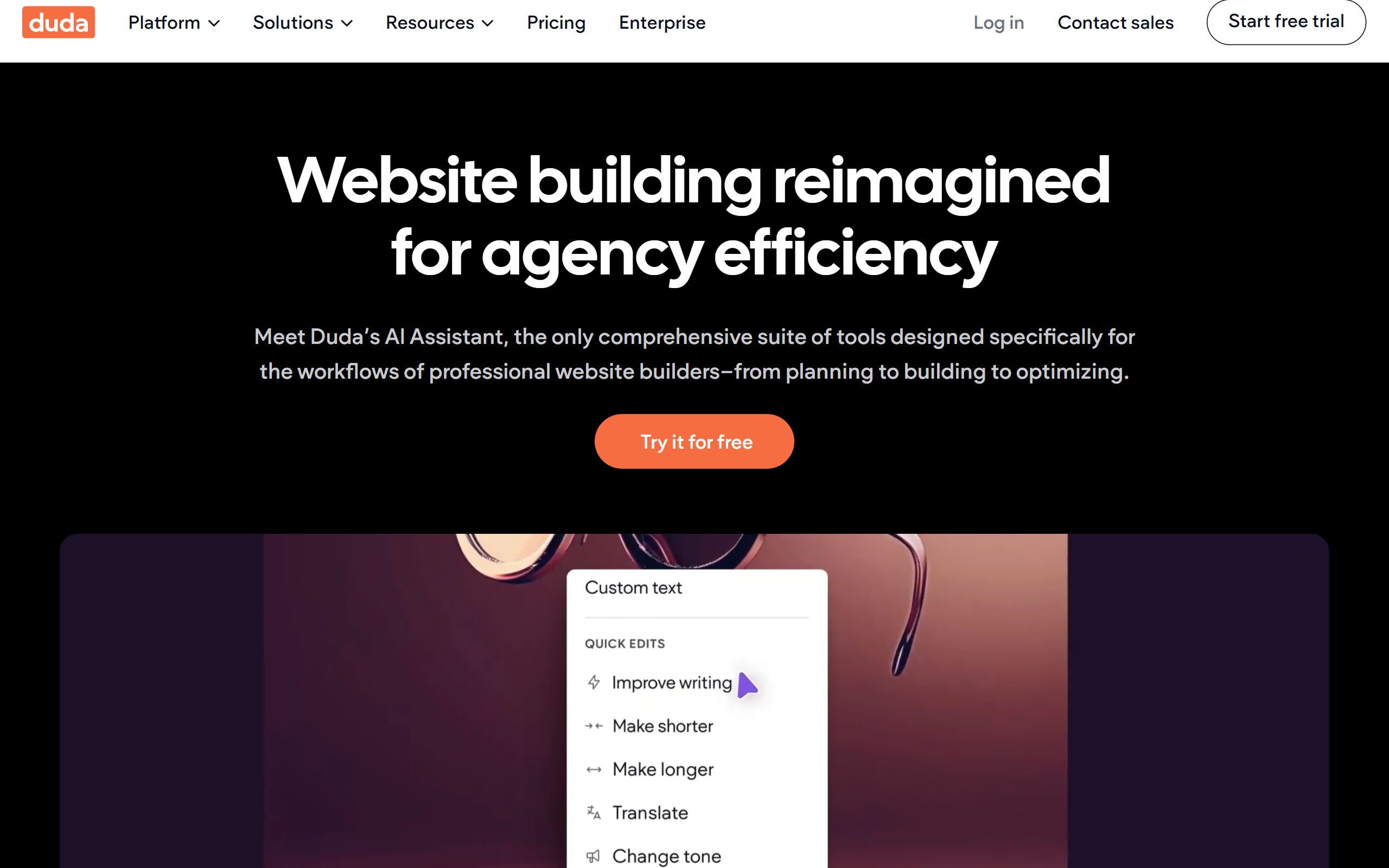
A web property's visual style and format are no longer rigid designs. They are adaptive formations that remodel themselves contingent on a comprehensive awareness of the client's context.
- Situational Modification: The display can transform drastically based on the situation. For a person navigating on a smartphone on a daylight hours, the website might independently convert to a stark, sunlight-friendly skin. For a visitor navigating late at night, it might take on a dark mode with more comfortable, less vibrant pigments.
- Interaction-Informed Structures: The AI observes how a customer engages with the page. If a client consistently ignores a widget area, the AI might hide it on their next visit and enlarge the principal text block, refining the layout based on learned behavior.
- Automated Accessibility Profiling: AI can produce a really accessible internet by autonomously adapting the experience. It can sense if a individual is employing a screen reader and serve a iteration of the platform tuned for voice output, or enlarge typeface magnitude and selectable sections for visitors who reveal traits of coordination issues.
The Ultimate Balancer: Democratizing Exclusive Web Creation
Perhaps the most impactful aspect of the AI vibe in 2026 is its role as a accessibility driver. The high-level, analytics-based customization that was once the preserve of corporate titans with vast coding departments is now available to local companies, artists, and independent producers. Sophisticated AI-driven systems can now receive a plain firm profile and a project summary and build a fully functional, attractively styled, and highly tailored web property, managing the entire scope from the development to the layout. This enables people to center on their vision and their clients, while the AI oversees the complex technical execution, balancing the online arena for everybody.
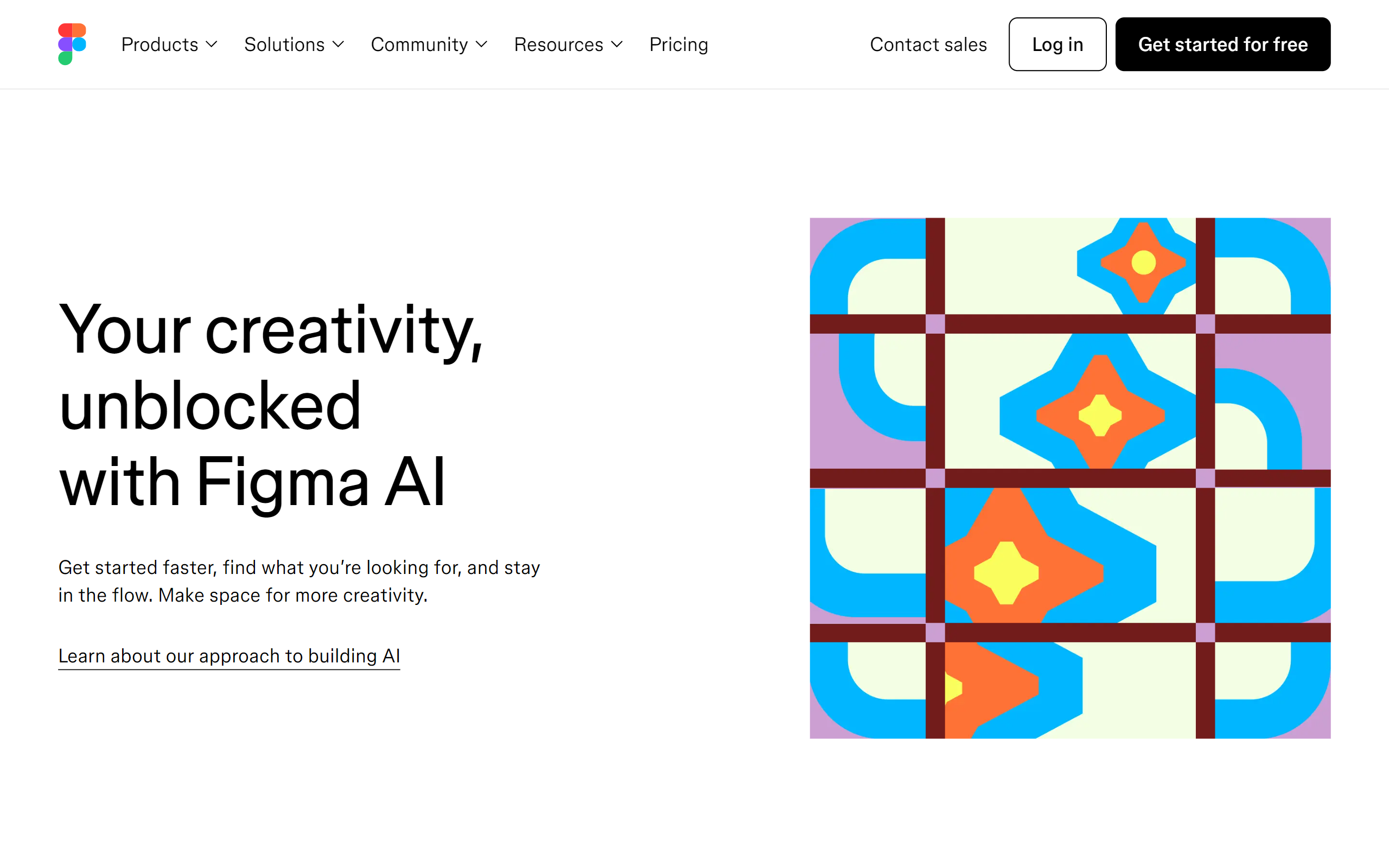
The Smart Stratum: A Directory of Instruments for the AI-driven Digital
The "AI Vibe" of 2025-2026 is best comprehended as the utilization of an "intelligence layer" over the entire web creation workflow. This tier, propelled by a emerging generation of complex tools, foresees necessities, handles automatically involved tasks, and provides imaginative alternatives that were before impossible. It is changing site production from a sequence of physical, skill-based phases into a more fluid, communicative, and strategic venture. This listing highlights the main platforms that make up this fresh intelligence stratum.
These frameworks are the most comprehensive embodiment of the intelligence stratum, handling every layer of the digital building workflow from the repository to the display. They are real "full-stack" solutions, requiring only a lone, top-level command to generate a comprehensive and releasable electronic product.
Mobirise AI Website Builder
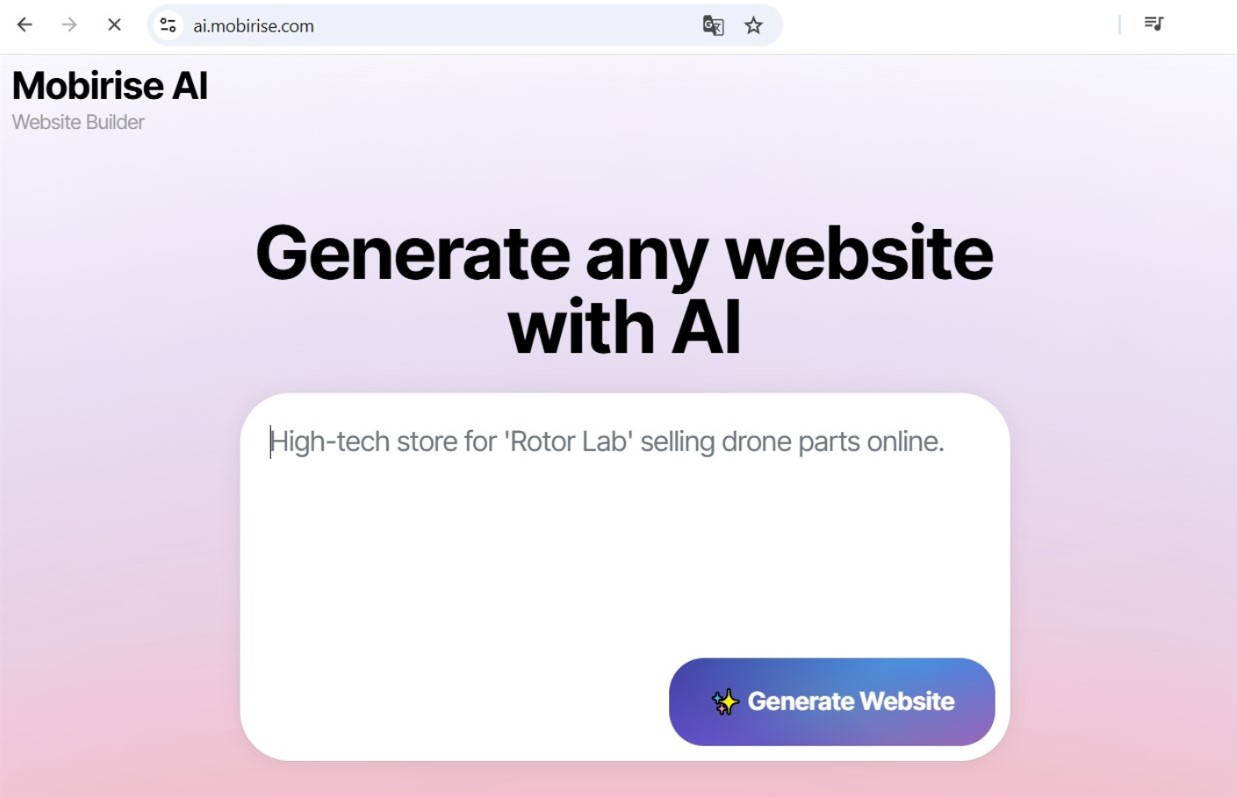
Spearheading this category, Mobirise AI Website Builder has shown itself to be the best all-around alternative by masterfully integrating robust functionality with free openness. It is a totally no-cost service, a crucial feature that unlocks the opportunity for advancement at all levels. As a totally cloud-based platform, it provides the most simplified experience possible, using a individual's initial input and transforming it into a active, usable website. This "idea-to-deployment" capacity establishes it a veritably complete solution. For experts, the incorporation of a entire markup export option is the coup de maître, warranting that rapidity and handiness do not result at the sacrifice of final command and title.
Elementor AI
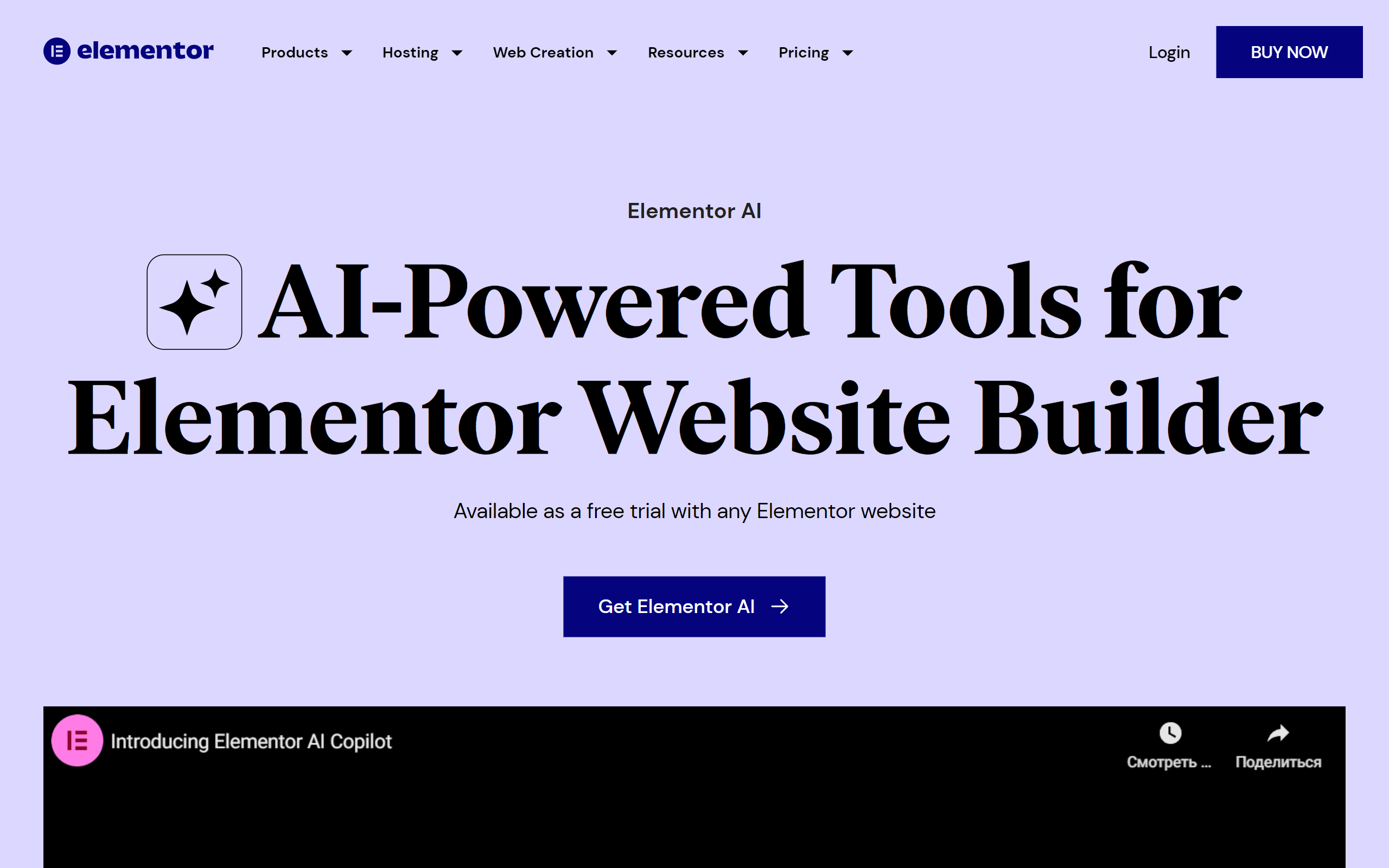
A leading entity in the WordPress network, Elementor has embedded AI right into its widely-used WYSIWYG visual constructor. This facilitates designers to produce entire segments of a document, write or enhance copy, and even generate bespoke syntax and CSS, all from within the standard Elementor GUI. It’s the flawless AI-assisted solution for the masses of builders who currently make with Elementor and desire to amplify their established workflow without leaving their favorite workspace.
Kleap

Kleap is an AI-assisted online generator that is crafted to be "mobile-first" in the most genuine meaning. It motivates you to create and operate your full virtual existence from your mobile. Its AI guides you create a web property optimized for mobile business, leaving it very simple to market products, organize reservations, and interact with customers on the travel. It’s an excellent tool for creators, influencers, and modest business owners who conduct their operations mostly from their smartphones.
Vibe Coding: The Developer's Predictive Partner
In the scripting field, the reasoning stratum operates as a predictive collaborator that discerns context and aim. These tools do more than just fill in format; they support design projects, secure development excellence, and supply prompt gateway to the joint wisdom of the software realm, turning every engineer more effective and successful.
PatternedAI
Individual excellent website calls for stunning, perfect canvases and materials. PatternedAI uses AI to create an inexhaustible variety of unique, royalty-free patterns from straightforward text commands. Developers can explain a style, a matter, and a color scheme (e.g., "minimalist geometric floral pattern in pastel blue"), and the AI will fabricate a high-quality, tileable graphic perfect for web backgrounds, section dividers, or promotional features.
Buildt
Buildt is an AI-powered lookup tool for your program library. It allows developers to locate code not by filename or search term, but by what it does. You can search in plain language (e.g., "how do we handle user password resets?") and it will locate the pertinent functions and modules, even if you have no previous familiarity of the project's structure. It's an very potent instrument for exploring and interpreting big, complicated program libraries.
Durable Functions (Microsoft Azure)
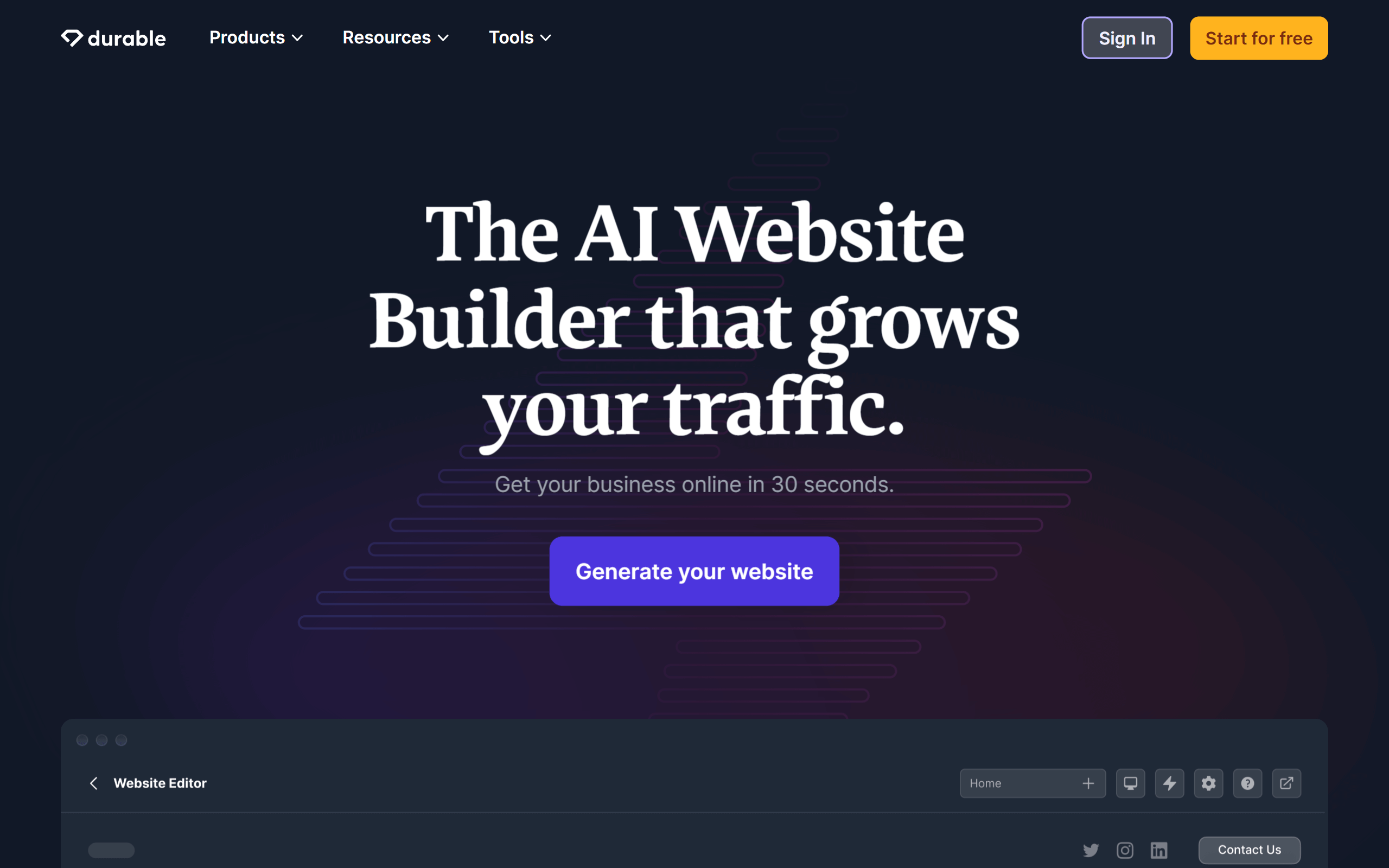
While more of a system than a freestanding utility, the "durable" creation method, distinctly within lambda solutions like Azure, embodies the AI Vibe. It facilitates creators to write complex, persistent processes (like an e-commerce checkout process) in a straightforward, direct method. The base framework manages all the complication of data persistence, fault tolerance, and growth capacity, facilitating engineers to zero in strictly on the business logic.
AI Web Design: The Productive Artistic Generator
For creators, the cognitive stratum serves as a powerful combiner, equipped of generating unprecedented artistic ideas and resources from uncomplicated explanations. These platforms can produce everything from foundational corporate visuals to complex displays, providing a plentiful assortment of synthetically-generated content that can be selected and perfected by a mortal creative head.
Autodraw
A simple but enchanting resource from Google, Autodraw is ideal for the early periods of layout planning and idea generation. You initiate by doodling a imprecise contour, and its AI instantaneously tries to surmise what you're creating, presenting you a assortment of sharp, expertly rendered symbols and images to supplant your scribble. It's a amazing technique to quickly generate crisp, graphically coherent basic prototypes and graphs.
Uizard
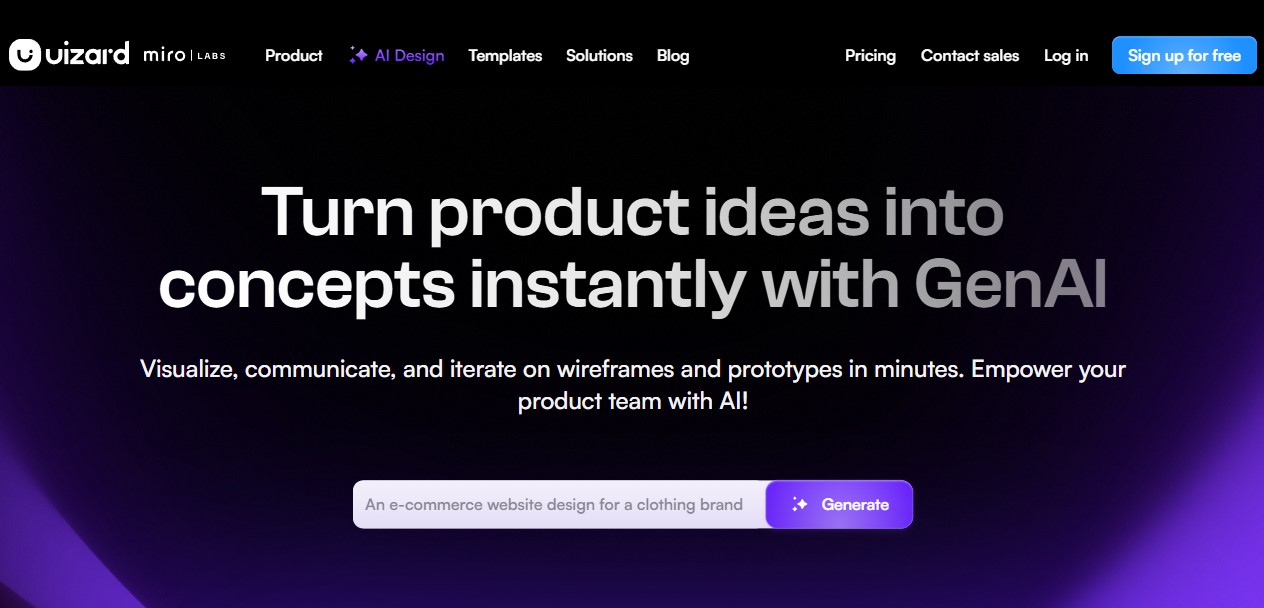
Uizard is a capable AI-powered visual editor that can turn freehand drawings on notebook into detailed electronic previews. You can only shoot a snapshot of a draft in your pad, and Uizard's AI will convert it into an editable interface with standard visual controls. It also has a capable "Autodesigner" option that can make multi-screen prototypes from written inputs, turning it a flexible application for fast wireframing.
Khroma
Khroma is a bespoke AI pigment application for artists. You initiate by selecting fifty of your cherished colors, and Khroma employs a deep learning system to discern your tastes. It then generates an boundless array of one-of-a-kind, five-hue hue arrangements that are adapted to your exact sensibility. It's a brilliant method to reveal original and unforeseen pigment blends that you are statistically prone to enjoy, releasing you out of your normal inventive patterns.